Monster · Season 4 · The real Maggie
What happened to Bridget Sullivan after the trial?
Updated
The short version
- Bridget Sullivan was the Bordens' live-in maid — hired in late 1889, the family's only servant, and called "Maggie" by everyone in the household. The series keeps the name and the vantage point; nearly everything after the verdict is invention.
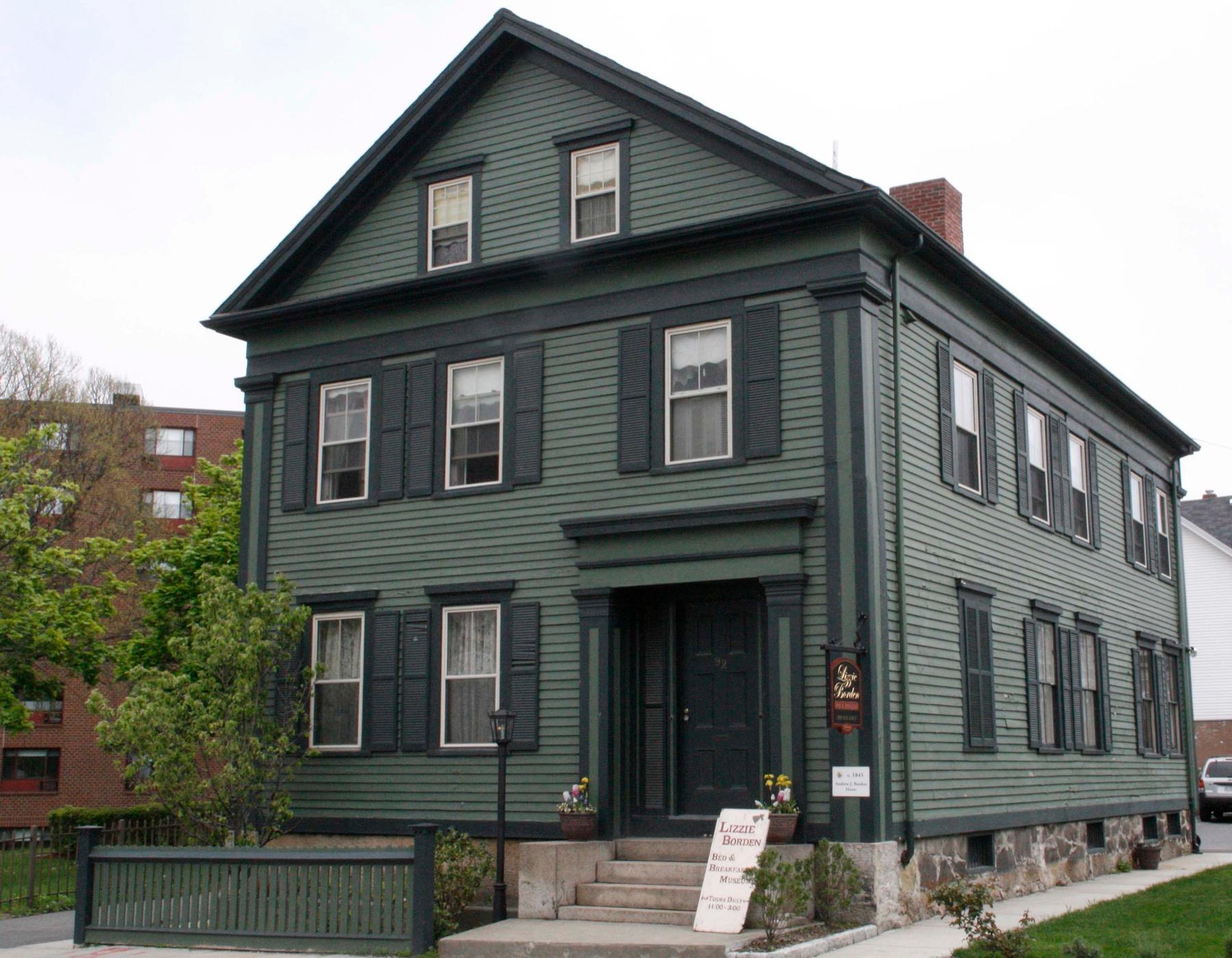
- On the morning of August 4, 1892, she was the only person known to be in the Second Street house besides Lizzie and a visiting uncle who had left around nine o'clock.
- Her testimony — a laugh from the stairs, the call that brought her downstairs — anchored both the inquest and the June 1893 trial. The jury acquitted Lizzie anyway.
- After the trial she left Fall River. By 1897 she was living in Anaconda, Montana. In 1905 she married John M. Sullivan — no relation — and spent her later life working in domestic service.
- She never spoke publicly about the case. She died on March 25, 1948, in a Butte, Montana hospital, and is buried in Anaconda's Mount Olivet Cemetery.
Light spoilers for the Season 4 finale below.
What she told the court
Sullivan had been washing windows — inside and out — all morning. When Andrew Borden returned around 10:40 and his key would not work, she let him in and joked with him about coming back to a locked door. As he walked in, she heard Lizzie laugh from the top of the stairs.
About half an hour later she had gone to her third-floor room to rest. She heard Lizzie call down: “Maggie, come down quick; Father's dead; somebody came in and killed him.” She ran downstairs, found Andrew's body, and raised the alarm.
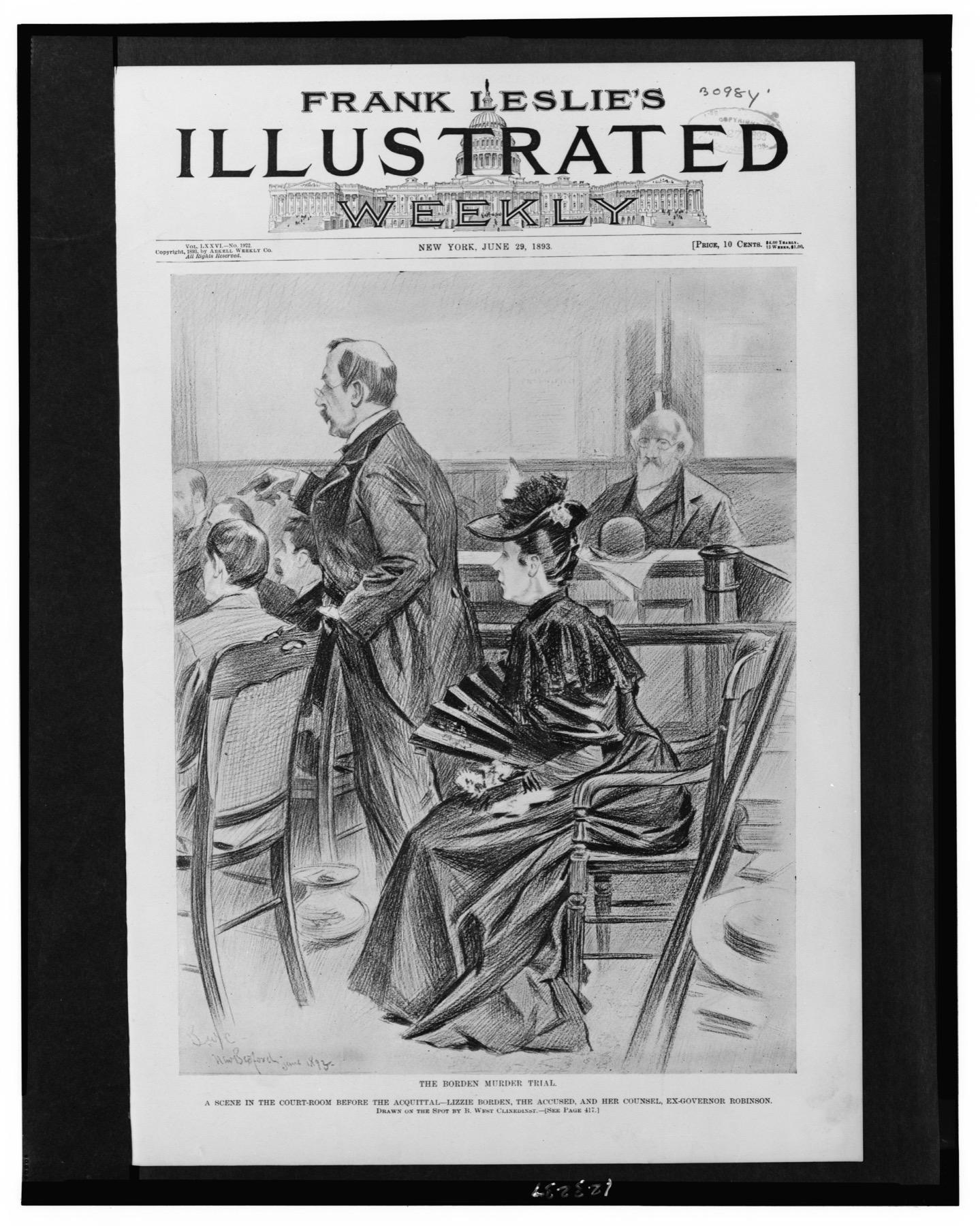
She testified at the inquest and again at the trial in New Bedford. Her hours were the prosecution's timeline — and, in parts, the defense's asset. The jury still acquitted Lizzie on June 20, 1893, after roughly ninety minutes.
Why the show calls her Maggie
That detail is real. Bridget Sullivan's legal name appears on the court records, but the Borden household called her Maggie — and the show adopts the family's name for her, as Vicky Krieps plays Bridget “Maggie” Sullivan in the cast list.
It is one of the series' quietest acts of fidelity: the woman history barely recorded keeps the name the household actually used, even as the show writes a life for her that no record supports.
After the verdict, the trail goes quiet
Sullivan left Fall River after the trial. What she did between 1893 and 1897 is not firmly documented — some accounts suggest a stay with family in Ireland — and she left no interviews that could fill the gap. By 1897 she had settled in Anaconda, Montana, where she worked in domestic service, the trade she had trained in since emigrating from Ireland as a young woman.
In 1905 she married John M. Sullivan, a local man with no relation to her. The couple had no children, and he died in 1939. She kept working and kept to herself. Family later said she never once mentioned the murders or the trial; neighbors reportedly had no idea of her past until after her death.
She died on March 25, 1948, in a Butte hospital, and is buried in Anaconda's Mount Olivet Cemetery under the name she married into.
The stories that never checked out
The vacuum around her later life filled with legend: rumors of a deathbed confession, claims she was paid for silence, and assorted published details about her Montana years — some of which researchers at the Lizzie Andrew Borden Virtual Museum have disputed. All of it is secondhand. None of it is evidence.
What is solid: the testimony, the departure, the Anaconda years, the 1905 marriage, the silence, and the 1948 burial. That is the whole documented shape of her life after the trial — and it is enough to show how much of the finale is the show's own invention.
The series vs. the record
| Question | The series | The record |
|---|---|---|
| Her name | Maggie — the dry, watchful maid the series builds into its second lead. | Real. Her legal name was Bridget Sullivan; the Borden household called her Maggie. |
| The morning of August 4 | Staged for suspense, with the maid's movements sharpened into dread. | Real in outline: she had been washing windows inside and out, let Andrew in around 10:40 when his key failed, heard Lizzie laugh from the top of the stairs, and heard the call that brought her downstairs. |
| A romance with Lizzie | The season's emotional spine — a partnership the finale makes permanent. | No evidence. No accusation of a romance surfaced at the inquest, the trial, or in any later documentation. |
| A husband she refuses | The series sends Maggie away to a marriage she escapes, then lets her choose Lizzie. | Invented. She married John M. Sullivan in 1905, twelve years after the trial. No record ties the marriage to the case or to Lizzie. |
| A suffragist second act | Lizzie and Maggie campaign for the vote and host the celebration when it arrives. | Invented. No record places Sullivan in any movement. Her documented later life is quiet, private, and in Montana. |
| Her silence | Replaced with invented dialogue and a constructed happy ending. | Real. She never gave an interview, never published a word, and reportedly never discussed the case even with her own family. |
Sources & further reading
- Famous Trials (UMKC School of Law) — The Trial of Lizzie Borden — The full trial archive, including Bridget Sullivan's June 9, 1893 testimony.
- Find a Grave — Bridget Sullivan memorial — Death on March 25, 1948 and burial at Mount Olivet Cemetery, Anaconda, Montana.
- Lizzie Andrew Borden Virtual Museum and Library — Research notes on Sullivan's later life — researchers there have disputed several published claims about her Montana years.
A&E True Crime's profile of Sullivan's later life (aetv.com) is the clearest published summary of the Montana record. Bridget Sullivan was a witness in the case — she was accused of nothing, and this page treats her accordingly.
Header photo: the Borden house at 92 Second Street, Fall River, by dbking (Flickr), CC BY 2.0, via Wikimedia Commons.